Friday, December 18, 2020

12 Easy Home Remedies for Burns of First and Second Degree

So, minimal exposure to sun helps in both reducing the pain and the risk of worsening the burn. Coconut oil is rich in vitamin E which is a strong antioxidant and also has skin healing properties. This oil also has anti-bacterial and anti-fungal properties. So, this oil helps in healing and also reduces the chances of infections. Massaging with coconut oil along with lemon juice on the scar of the burn may help to lighten the scar mark.

home treatment of second degree burns

Third degree burns or major burns always require emergency care. Aloe vera, with its calming and cooling properties, has a long history of use for burns. Food and Drug Administration approved the use of aloe vera ointment as an over-the-counter medication for healing burns on the skin. To help heal burns naturally, home remedies for a burn include applying essential oils, antioxidants and plant compounds topically. You can also reduce foods that increase inflammationand slow healing while increasing anti-inflammatory foods that promote optimal healing. Seek emergency medical care for burns that are deep or involve your hands, feet, face, groin, buttocks, a major joint or a large area of the body.

Bandaging the burn

Like any kind of wound, burns can become infected just as easily. This will also act as an additional layer between your burn and any irritants. Sometimes burned skin can start to stick to things, having this additional moisture will help to prevent that from happening. Medical News Today has strict sourcing guidelines and draws only from peer-reviewed studies, academic research institutions, and medical journals and associations.
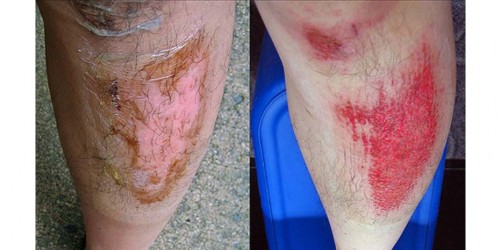
home treatment of second degree burns

Your skin may still be discolored and scars may be permanent, but the discomfort should be fully resolved. The problem with second-degree sunburns is that large areas of skin are involved. The blistering can be extensive and can cause terrible pain.

Home remedies for burns: What to put on burns, and prevention

With the correct medical treatment and home care, minor first and second-degree burns should heal without any further complications. Neosporin Ointment is an antibiotic ointment that can also be used. It provides infection protection and helps soothe minor burn pain. Formulated for first aid wound treatment, it contains bacitracin zinc, neomycin sulfate, and polymyxin B sulfate for antibiotic care of minor burns and wounds. Second-degree burns, also known as partial thickness burns, affect the epidermis and the dermis . They are more severe than First-degree burns, and may be caused by very hot water, open flames or hot objects.

home treatment of second degree burns

Pain lasts for shorter duration for around 2-3 days and usually heals within a week. First degree burns can typically be treated easily at home. Burns occur from exposure to heat, steam, hot liquids, chemicals or the sun. The treatment of burns depends on the severity of the burn. Potential scarring, reduced mobility and possible surgeries add to the burden. Typically, superficial second-degree burns heal entirely within 3 weeks.

Treatment

The most common types of friction burn are road rash and rug burns. Once a second-degree blister pops or tears, the epidermis will begin to fall away in sheets. This photo shows sloughing after someone spilled hot water from a pot of pasta onto her foot. According to the Centers for Disease Control and Prevention , over 350,000 Americans are treated for burns in emergency rooms each year. If you or someone in your care has chest pains, difficulty breathing, or severe bleeding, it could be a life-threatening emergency. If you are looking for health services in your community, you can use the HealthLinkBC Directory to find hospitals, clinics, and other resources.

home treatment of second degree burns

Get the latest healthcare news directly in your inbox. If symptoms do not improve, or if they worsen as the days progress, you should visit Amory Urgent Care today, especially if you believe the burn is infected. Verywell Health uses only high-quality sources, including peer-reviewed studies, to support the facts within our articles.

Related Coverage

These few things can be done to help alleviate pain and encourage faster healing and less scarring after the fact. Encouraging the burn to heal faster and heal better with these types of 2nd-degree burn treatments. A person should action some home remedies immediately after the burn happens. For example, running the burn under cool water will be most effective in the minutes after the burn. Running cool water over a first- or second-degree burn for 20 minutes can cool the skin down, soothe the burn, and prevent further injury. The content of this article is not intended to be a substitute for professional medical advice, examination, diagnosis, or treatment.

home treatment of second degree burns

They are naturally more serious as they affect deeper tissue which leaves you vulnerable to complications and infection. Ibuprofen is a safe and effective choice as a pain-reliever. It is a nonsteroidal anti-inflammatory drug that can decrease inflammation.

What are Second-degree burns?

They will ask about any accidents you may have had recently. You may also be able to diagnose a second-degree burn at home. It is possible to get a second-degree sunburn, although it is more likely to be a first-degree burn.

If the blister isn't broken, you don't necessarily need to apply a bandage, particularly if there are no raw wounds. However, if the blister is likely to get dirty or will be rubbed by clothing, you should apply a bandage. Take off any clothing covering the burn unless it's stuck to the skin.


Burns Diagnosis and treatment

Talk with your doctor if you have a burn that is extremely painful, covers a large area of the body, or is showing signs of infection. You may be able to treat a superficial second-degree burn at home. A deep second-degree burn may require additional treatment from a doctor, including a skin graft. When a large area of the body is involved, this can be fatal, and large burns resulting large amounts of fluid loss require immediate medical attention. Once you have soaked the area, dried it, and applied antibiotic ointment you can now bandage the wound.

home treatment of second degree burns

If the burned skin or blisters have broken open, a bandage is needed. To further help prevent infection, apply a clean bandage whenever your bandage gets wet or soiled. If a bandage is stuck to a burn, soak it in warm water to make the bandage easier to remove. Burn is one of the most common household injury and the severity of it depends upon the type, duration of contact with the injurious agent.

How to Treat a Burn at Home

Your care team may also use various specialty wound dressings to prepare the wound to heal. If you are being transferred to a burn center, your wound will likely be covered in dry gauze only. After you have received first aid for a major burn, your medical care may include medications and products that are intended to encourage healing. This information does not replace the advice of a doctor. Healthwise, Incorporated, disclaims any warranty or liability for your use of this information. Your use of this information means that you agree to the Terms of Use.

home treatment of second degree burns

No matter what type of burn you think you might have, the key to reducing pain and infection is to treat the burn right away. If you suffer from a first or second degree burn, FastMed Urgent Care is here to assist you. With extended hours every day and on holidays and weekends, there’s a location nearby ready to provide prompt, quality burn treatment. If you suspect that you have a severe burn do not try to treat it at home but get professional medical care immediately! You should never try to treat a 3rd-degree burn at home with home remedies.

Treatment

You can apply a clean, dry, loose bandage to cover the area if you’d like. For a severe or major burn, seek medical attention immediately rather than turning to home remedies for a burn. While waiting for medical assistance, remove any jewelry or tight clothing from the burned area if possible. Ideally, removal should be quick and gentle before the burned area swells up. Hold the burned area under cool running water or apply a cool, wet compress until the pain eases. Putting ice directly on a burn can cause further damage to the tissue.

home treatment of second degree burns

It can occur due to hot liquids, various chemicals, steam, fire, heat, cold, electricity etc. There are four types of burns based on the severity of the burn. Minor burns can easily heal with the home remedies where as severe burn needs proper medical treatment. Antibiotics and pain relieving medications are helpful to protect from the infections and relieve pain. One should not neglect burn and seek medical treatment on time. In case of minor burns, seek medical help when signs of infection are there such as increased pain, swelling, redness, oozing or fever.

What are the causes of a second-degree burn?

If the blister isn't broken, you don't necessarily need to apply a bandage, particularly if there are no raw wounds. However, if the blister is likely to get dirty or will be rubbed by clothing, you should apply a bandage. Take off any clothing covering the burn unless it's stuck to the skin.

home treatment of second degree burns

The severity of symptoms can help you figure out the degree of your burn. It can also help you to figure out whether or not you need medical attention. Severe burns can destroy all layers of skin and even damage muscles and underlying fat. Natural therapies can help with wound healing and decreasing pain. Mild burns typically take around a week or two to completely heal and usually don’t cause scarring. The goal of burn treatment is to reduce pain, prevent infections, and heal the skin faster.

Verywell Health articles are reviewed by board-certified physicians and healthcare professionals. These medical reviewers confirm the content is thorough and accurate, reflecting the latest evidence-based research. Content is reviewed before publication and upon substantial updates. Do not touch the burn with your hands or anything dirty, because open blisters can easily be infected. These are some of the signs and symptoms to watch out for and if you see them, get medical attention to treat your burn as soon as possible.

The content on Healthgrades does not provide medical advice. Always consult a medical provider for diagnosis and treatment. A deep second-degree burn will heal in 3–8 weeks and will leave scars. A doctor may diagnose a second-degree burn by conducting a visual examination and discussing your medical history with you.

These burns cause swelling, redness, and blisters.

Silver sulfadiazine cream can be used to prevent and treat wound infections in patients with second- and third-degree burns. All jewellery and clothing should be removed from the burn/scald area. This will stop items like metal jewellery retaining the heat and continuing to burn the skin. It also ensures that there is suitable space for swelling, as this may happen after a burn. If clothing is stuck to the skin, then do not attempt to remove and seek expert medical advice.

With the correct medical treatment and home care, minor first and second-degree burns should heal without any further complications. Neosporin Ointment is an antibiotic ointment that can also be used. It provides infection protection and helps soothe minor burn pain. Formulated for first aid wound treatment, it contains bacitracin zinc, neomycin sulfate, and polymyxin B sulfate for antibiotic care of minor burns and wounds. Second-degree burns, also known as partial thickness burns, affect the epidermis and the dermis . They are more severe than First-degree burns, and may be caused by very hot water, open flames or hot objects.

Thursday, August 6, 2020

List Of How To Stay In Contact On A Cruise Ship 2023

7 Reasons to Stay on the Ship at Your Next Port of Call Cruise ship
7 Reasons to Stay on the Ship at Your Next Port of Call Cruise ship from www.pinterest.com

Are you planning a cruise vacation but worried about how to stay in contact with your loved ones while on board? Don't fret! We have the solution for you. In this article, we will discuss the various options available for staying connected on a cruise ship, ensuring that you can keep in touch with your family and friends even while sailing the high seas.

One of the biggest challenges of being on a cruise ship is the limited access to communication services. With no cell phone signal and limited internet availability, it can be difficult to stay connected with the outside world. This can be a major pain point for many travelers who want to keep their loved ones updated or need to attend to important matters back home.

So, how can you stay in contact on a cruise ship? The first and most common option is to use the ship's onboard communication services. Most cruise ships offer Wi-Fi packages that allow you to access the internet and make calls. However, these services can be quite expensive and the connection may not always be reliable.

To overcome these challenges, there are a few tips and tricks you can follow. Firstly, make sure to check with your cruise line about their communication options and packages. Some cruise lines offer discounted rates or special packages for staying connected. Additionally, consider using messaging apps like WhatsApp or Facebook Messenger, which can work over Wi-Fi and allow you to send messages and make calls for free.

Personal Experience: Staying Connected on a Cruise Ship

During my recent cruise vacation, I was determined to stay in contact with my family and friends back home. I purchased a Wi-Fi package onboard and used messaging apps to stay connected. While the internet connection was not always perfect, I was able to send messages and make calls whenever I had access to Wi-Fi. It was a relief to know that I could still stay connected even in the middle of the ocean.

Now, let's dive deeper into the various options available for staying in contact on a cruise ship. Firstly, the ship's onboard communication services include Wi-Fi packages, which can be purchased for a certain duration or for the entire trip. These packages allow you to access the internet, send emails, and make calls using voice over internet protocol (VoIP) services. However, it's important to note that the connection speed may vary and the packages can be quite expensive.

What is how to stay in contact on a cruise ship?

Staying in contact on a cruise ship refers to the various methods and options available for communication while onboard. As mentioned earlier, the most common option is to use the ship's onboard communication services, such as Wi-Fi packages. However, there are also alternative methods like using messaging apps over Wi-Fi and purchasing international roaming plans for your cell phone.

Now, let's explore the history and myth surrounding staying in contact on a cruise ship. In the past, communication on a cruise ship was extremely limited. Passengers had to rely on written letters and telegrams, which could take days or even weeks to reach their destination. However, with advancements in technology, cruise ships now offer various communication options to keep passengers connected.

The Hidden Secret of Staying in Contact on a Cruise Ship

The hidden secret of staying in contact on a cruise ship lies in the availability of Wi-Fi services. While the connection may not always be perfect, it provides an opportunity to stay connected with the outside world. Additionally, using messaging apps over Wi-Fi can be a cost-effective and convenient option for staying in touch with loved ones.

Recommendations for Staying in Contact on a Cruise Ship

Based on my personal experience and research, I have a few recommendations for staying in contact on a cruise ship. Firstly, check with your cruise line about their communication options and packages. This will help you understand the available options and make an informed decision. Secondly, consider using messaging apps over Wi-Fi, as they are often free and can work even with limited internet access. Finally, if you need to make important calls or have a reliable internet connection, consider purchasing a Wi-Fi package onboard.

More Details about Staying in Contact on a Cruise Ship

Staying in contact on a cruise ship can be challenging, but with the right approach, it is possible to stay connected. One option is to purchase a Wi-Fi package, which allows you to access the internet and make calls using VoIP services. Alternatively, you can use messaging apps like WhatsApp or Facebook Messenger over Wi-Fi. Another option is to purchase an international roaming plan for your cell phone, although this can be quite expensive. It's important to check with your cruise line about their communication options and packages to find the best solution for your needs.

Tips for Staying in Contact on a Cruise Ship

Here are some tips for staying in contact on a cruise ship:

  1. Purchase a Wi-Fi package onboard
  2. Use messaging apps over Wi-Fi
  3. Check with your cruise line about their communication options
  4. Consider purchasing an international roaming plan for your cell phone

Question and Answer

  1. Q: Is Wi-Fi available on all cruise ships?
  2. A: Wi-Fi availability varies by cruise line and ship. It's best to check with your specific cruise line for more information.

  3. Q: Can I make phone calls from my cell phone while on a cruise ship?
  4. A: Yes, you can make phone calls from your cell phone if you have an international roaming plan or if the ship offers a cellular service.

  5. Q: How much does Wi-Fi cost on a cruise ship?
  6. A: The cost of Wi-Fi on a cruise ship varies by cruise line and package. It's important to check with your specific cruise line for pricing details.

  7. Q: Are there any free options for staying in contact on a cruise ship?
  8. A: Yes, using messaging apps over Wi-Fi is often free and can be a cost-effective option for staying in touch.

Conclusion of Staying in Contact on a Cruise Ship

Staying in contact on a cruise ship may have its challenges, but with the right approach, it is possible to stay connected with your loved ones. Whether it's through onboard communication services, messaging apps over Wi-Fi, or international roaming plans, there are options available to suit your needs. So, don't let the limited access to communication services deter you from enjoying your cruise vacation. Stay connected and make lasting memories!

Wednesday, August 5, 2020

+29 How Early Do You Board A Cruise Ship Ideas

What to Expect on a Cruise Boarding a Cruise Ship
What to Expect on a Cruise Boarding a Cruise Ship from www.cruisecritic.co.uk

If you're planning a cruise vacation, one of the questions you might have is, "How early do you board a cruise ship?" It's an important question to consider as it can impact your overall experience. In this article, we'll explore the answer to this question and provide you with some helpful tips and information.

When it comes to boarding a cruise ship, there are a few factors to consider. First, it's important to know the embarkation time provided by the cruise line. This is the time when passengers are allowed to board the ship. Arriving too early can mean a long wait in the terminal, while arriving too late can result in missing the ship altogether. Additionally, the time you choose to board can impact the amount of time you have to explore the ship and settle into your accommodations.

To ensure a smooth boarding process, it's generally recommended to arrive at the cruise terminal a few hours before the embarkation time. This allows for any potential delays, such as traffic or long lines, and gives you ample time to check-in, go through security, and board the ship without feeling rushed. It's also a good idea to review the cruise line's specific guidelines and recommendations, as they may have additional requirements or suggestions.

Personal Experience

During my recent cruise vacation, I arrived at the terminal about two hours before the embarkation time. This gave me plenty of time to check-in, go through security, and board the ship without any issues. The terminal was relatively busy, but the process was well-organized and efficient. Once onboard, I had enough time to explore the ship, grab a bite to eat, and settle into my cabin before the ship set sail. Overall, arriving a few hours early allowed for a stress-free boarding experience.

What is the Best Time to Board a Cruise Ship?

The best time to board a cruise ship is typically in the early afternoon. This allows for a smoother check-in process as many passengers tend to arrive early in the morning. By arriving a bit later, you can avoid long lines and crowds, making for a more relaxed and enjoyable boarding experience. It also gives you time to grab lunch and settle into your accommodations before the ship sets sail.

The History and Myth of Early Boarding

There is a common belief among some cruisers that arriving at the terminal as early as possible will guarantee early access to their cabins and amenities. However, this is not always the case. While some cruise lines may allow early boarding for certain passengers, such as those with VIP status or specific cabin categories, the majority of passengers are required to adhere to the designated embarkation time. It's important to manage your expectations and follow the guidelines provided by the cruise line.

The Hidden Secrets of Early Boarding

One hidden secret of early boarding is that it can give you a head start on exploring the ship and taking advantage of onboard activities and amenities. By arriving early, you can familiarize yourself with the layout of the ship, make reservations for specialty restaurants or spa treatments, and secure prime seating for shows or entertainment. It also allows you to beat the rush and ensure a more relaxed and enjoyable start to your cruise vacation.

Recommendations for Early Boarding

Based on my personal experience and the advice of seasoned cruisers, here are some recommendations for early boarding:

  1. Arrive at the cruise terminal a few hours before the designated embarkation time.
  2. Review the cruise line's specific guidelines and recommendations.
  3. Prepare all necessary documents and paperwork in advance to speed up the check-in process.
  4. Consider joining any loyalty programs or booking higher cabin categories to potentially gain early boarding privileges.
  5. Bring a small carry-on bag with essential items, such as medication, change of clothes, and toiletries, in case your main luggage takes some time to be delivered to your cabin.

More Details about Early Boarding

Early boarding allows you to start your cruise vacation on a positive note. By arriving a few hours before the designated embarkation time, you can avoid long lines, settle into your accommodations, and start exploring the ship at your leisure. It's a great opportunity to get a head start on enjoying all the amenities and activities onboard.

Tips for Early Boarding

Here are some additional tips for early boarding:

  • Check the embarkation time provided by the cruise line and plan your arrival accordingly.
  • Consider booking a hotel near the cruise terminal to minimize travel time on the day of embarkation.
  • Pack a small carry-on bag with essentials to keep with you during the boarding process.
  • Take advantage of any early boarding privileges offered by the cruise line, such as VIP status or higher cabin categories.
  • Stay hydrated and have snacks on hand to keep you energized during the wait.

Conclusion of Early Boarding

Arriving a few hours before the designated embarkation time is generally recommended for a smooth and stress-free boarding process. It allows you to avoid long lines, settle into your accommodations, and start enjoying all the amenities and activities onboard. By following the cruise line's guidelines and planning ahead, you can ensure a positive start to your cruise vacation.

Question and Answer

Q: Can I board the ship earlier if I have VIP status?

A: Some cruise lines offer early boarding privileges for passengers with VIP status or higher cabin categories. It's best to check with the cruise line directly for specific details and requirements.

Q: What happens if I arrive at the terminal after the embarkation time?

A: If you arrive at the terminal after the designated embarkation time, you may risk missing the ship. It's important to plan your arrival accordingly and allow for any potential delays or traffic.

Q: Can I leave the ship and re-board later in the day?

A: In most cases, passengers are allowed to leave the ship and re-board later in the day. However, it's important to check the specific guidelines and requirements of the cruise line, as well as any port regulations, before making any plans.

Q: What if I miss the embarkation time due to unforeseen circumstances?

A: If you miss the embarkation time due to unforeseen circumstances, such as flight delays or traffic, it's important to contact the cruise line as soon as possible. They will provide guidance on the best course of action, which may include joining the ship at the next port of call.

Tuesday, August 4, 2020

Awasome Can I Bring Distilled Water On A Cruise References

Distilled Water on Carnival Cruise (Updated) UpThirst
Distilled Water on Carnival Cruise (Updated) UpThirst from www.upthirst.com

Are you planning to go on a cruise and wondering if you can bring distilled water with you? Well, you're not alone. Many people have this question in mind when preparing for their cruise vacation. In this article, we will explore the answer to the question "Can I bring distilled water on a cruise?" and provide you with all the information you need.

One of the pain points related to bringing distilled water on a cruise is the availability of safe drinking water. While most cruise ships provide filtered and treated water, some people prefer to bring their own supply of distilled water for various reasons. Whether it's for health concerns, taste preferences, or simply peace of mind, having access to distilled water can be important for some individuals.

The answer to the question "Can I bring distilled water on a cruise?" is yes, you can. Most cruise lines allow passengers to bring their own distilled water on board. However, there are certain restrictions and guidelines that you need to follow. It's important to check with your specific cruise line for their policies regarding bringing water on board.

In summary, you can bring distilled water on a cruise, but you need to adhere to the rules and regulations set by the cruise line. It's always recommended to check with your specific cruise line for their policies regarding bringing water on board. Now let's dive deeper into the topic of bringing distilled water on a cruise.

Can I Bring Distilled Water on a Cruise: Exploring the Options

When it comes to bringing distilled water on a cruise, there are a few options available to you. One option is to bring your own supply of bottled distilled water. This can be purchased from a local store or ordered online and shipped to your home before the cruise. Make sure to pack the bottles securely to prevent any leaks or damage during transit.

Another option is to bring a portable water distiller on board. These devices are designed to purify water by removing impurities and contaminants, producing clean and safe drinking water. Portable water distillers are compact and easy to use, making them a convenient option for those who prefer to have their own source of distilled water.

It's important to note that while bringing distilled water on a cruise is allowed, there may be limitations on the quantity you can bring. Some cruise lines may have restrictions on the number of bottles or gallons of water you can bring on board. It's always best to check with your specific cruise line for their policies and guidelines.

Understanding the Importance of Distilled Water on a Cruise

Distilled water has several benefits that make it desirable for some individuals, especially when it comes to health and hydration. Distillation is a process that involves boiling water and then collecting the steam, which is then condensed back into a liquid form. This process removes impurities and contaminants, resulting in pure and clean water.

One of the main reasons why people choose to bring distilled water on a cruise is because they have specific dietary or health restrictions. Some individuals may have sensitivities or allergies to certain minerals or chemicals found in tap water. By bringing their own supply of distilled water, they can ensure that they are consuming water that meets their specific needs and preferences.

Additionally, some people find that the taste of distilled water is cleaner and more refreshing compared to other types of water. Distilled water has a neutral pH and lacks any minerals or impurities that can affect the taste. This makes it an appealing choice for those who enjoy a pure and crisp taste.

The History and Myth of Bringing Distilled Water on a Cruise

The history of bringing distilled water on a cruise can be traced back to the early days of ocean travel. In the past, ships did not have access to modern water treatment systems, and the quality of the water on board could vary. Passengers would often bring their own supply of distilled water to ensure they had a safe and clean source of drinking water.

Over time, cruise lines have implemented advanced water treatment systems to provide passengers with clean and safe drinking water. However, the option to bring distilled water on board is still available for those who prefer it. While it may not be necessary for everyone, it provides peace of mind for those who have specific concerns or preferences.

The Hidden Secret of Bringing Distilled Water on a Cruise

One hidden secret of bringing distilled water on a cruise is that it can be a cost-effective option. While cruise ships provide water for drinking and other purposes, they often charge for bottled water or other specialty beverages. By bringing your own supply of distilled water, you can save money on these additional expenses.

Another hidden secret is that having your own supply of distilled water can provide added convenience. You won't have to rely on the availability of water on board and can have peace of mind knowing that you have a safe and clean source of drinking water at all times. This can be especially beneficial if you have specific dietary or health restrictions.

Recommendations for Bringing Distilled Water on a Cruise

Here are some recommendations to keep in mind if you plan on bringing distilled water on a cruise:

  1. Check with your specific cruise line for their policies and guidelines regarding bringing water on board.
  2. Pack your distilled water securely to prevent any leaks or damage during transit.
  3. Consider the quantity of water you are allowed to bring and plan accordingly.
  4. If you choose to bring a portable water distiller, make sure it meets the cruise line's guidelines for electrical appliances.

Exploring the Benefits of Distilled Water on a Cruise

Distilled water offers several benefits that can enhance your cruise experience:

  • Provides a safe and clean source of drinking water.
  • Allows you to customize the taste of your water to your preferences.
  • Can be cost-effective compared to purchasing bottled water on board.
  • Offers peace of mind for those with specific dietary or health restrictions.

Tips for Bringing Distilled Water on a Cruise

Here are some tips to make bringing distilled water on a cruise a smooth experience:

  1. Check the cruise line's policies and guidelines before purchasing and packing your distilled water.
  2. Consider the duration of your cruise and the amount of water you will need.
  3. If bringing bottled water, pack it securely to prevent any leaks or damage.
  4. If bringing a portable water distiller, familiarize yourself with its operation and any restrictions on electrical appliances.

Conclusion of Bringing Distilled Water on a Cruise

In conclusion, bringing distilled water on a cruise is allowed, but it's important to follow the rules and guidelines set by the cruise line. Whether you have specific dietary or health restrictions, prefer the taste of distilled water, or simply want the convenience of having your own supply, bringing distilled water can enhance your cruise experience. Remember to check with your specific cruise line for their policies and guidelines, and pack your distilled water securely to ensure a smooth and enjoyable journey.

Monday, August 3, 2020

+29 What City Is Purdue College In 2023

Purdue University’s College of Engineering accelerates research and
Purdue University’s College of Engineering accelerates research and from www.purdue.edu

If you're considering attending Purdue College, you may have wondered what city it is located in. Well, you're in luck! In this article, we'll explore the answer to the question, "What city is Purdue College in?" So, let's dive in and find out!

When it comes to choosing a college, one of the most important factors to consider is the location. The city where the college is situated can greatly impact your overall college experience. From the culture and amenities to the job opportunities and community, the city plays a significant role. So, it's essential to know what city Purdue College is in to make an informed decision.

What City is Purdue College In?

Purdue College is located in West Lafayette, Indiana. West Lafayette is a vibrant city known for its rich history, beautiful landscapes, and thriving community. It is situated on the banks of the Wabash River, offering picturesque views and a peaceful atmosphere. The city is also home to a diverse range of restaurants, shops, and entertainment options, ensuring you'll always find something to do during your time at Purdue College.

Now that we've answered the question of what city Purdue College is in, let's summarize the main points:

  1. Purdue College is located in West Lafayette, Indiana.
  2. West Lafayette offers a rich history, beautiful landscapes, and a thriving community.
  3. The city provides a diverse range of restaurants, shops, and entertainment options.

Exploring West Lafayette, Indiana

When it comes to experiencing West Lafayette, Indiana, there's no shortage of things to do and see. As a student at Purdue College, you'll have the opportunity to explore the city and immerse yourself in its unique culture. From enjoying a stroll along the Wabash River to visiting the various parks and gardens, there are plenty of outdoor activities to keep you entertained.

Additionally, West Lafayette is home to numerous museums and art galleries, allowing you to indulge in the vibrant arts scene. The city also hosts various festivals and events throughout the year, providing opportunities for you to connect with the local community and make lasting memories.

Now that we've explored what city Purdue College is in, let's delve into the history and myths surrounding West Lafayette.

The History and Myth of West Lafayette

West Lafayette, Indiana, has a fascinating history dating back to the early 19th century. The city was founded in 1836 and was initially named "Chauncey" after the first mayor of Lafayette, Indiana. However, in 1888, the name was changed to West Lafayette to avoid confusion with another town named Chauncey.

Over the years, West Lafayette has grown and developed into a thriving college town. Its close proximity to Purdue University has played a significant role in shaping the city's identity and culture. The university's presence has attracted students, faculty, and researchers from all around the world, contributing to the city's diverse and dynamic atmosphere.

Now, let's uncover some hidden secrets of West Lafayette, Indiana.

The Hidden Secrets of West Lafayette

While West Lafayette may seem like a typical college town, it holds hidden secrets waiting to be discovered. One of these secrets is the abundance of local food gems. From charming cafes and bakeries to unique restaurants offering international cuisines, the city is a food lover's paradise.

Another hidden gem of West Lafayette is its extensive trail system. The city boasts an extensive network of scenic trails, perfect for walking, running, or biking. These trails provide a peaceful escape from the hustle and bustle of college life and allow you to explore the natural beauty surrounding the city.

Now that we've uncovered some hidden secrets, let's move on to recommendations for exploring West Lafayette.

Recommendations for Exploring West Lafayette

If you find yourself in West Lafayette, Indiana, there are a few recommendations you shouldn't miss. One of the must-visit places is the Purdue University campus. Take a walk around the beautiful campus, explore its iconic landmarks, and soak in the vibrant academic atmosphere.

Another recommendation is to visit the Celery Bog Nature Area. This nature preserve offers scenic trails, wildlife viewing opportunities, and a peaceful retreat from the city's hustle and bustle. It's the perfect place to reconnect with nature and unwind.

Now that we've made some recommendations, let's dive deeper into the topic of what city Purdue College is in.

Exploring West Lafayette, Indiana: A Deeper Look

West Lafayette, Indiana, offers a unique blend of small-town charm and big-city amenities. The city's vibrant downtown area is filled with local shops, boutiques, and restaurants, providing a lively and welcoming atmosphere for residents and visitors alike.

In addition to its vibrant downtown, West Lafayette is also home to numerous parks and recreational areas. Whether you enjoy hiking, biking, or simply relaxing in nature, you'll find plenty of opportunities to indulge in outdoor activities.

Now, let's move on to some tips for exploring West Lafayette.

Tips for Exploring West Lafayette

When exploring West Lafayette, Indiana, it's important to plan ahead and make the most of your time in the city. Here are a few tips to help you navigate your way:

  1. Take advantage of the city's public transportation system to easily get around.
  2. Try local cuisine and explore the diverse food scene.
  3. Take part in community events and festivals to immerse yourself in the local culture.
  4. Don't forget to explore the surrounding areas and attractions beyond the city limits.

Now that we've shared some tips, let's address some common questions about what city Purdue College is in.

Question and Answer

Q: Is West Lafayette a safe city?

A: Yes, West Lafayette is generally considered a safe city with low crime rates. However, it's always important to take precautions and be aware of your surroundings.

Q: What are some popular attractions in West Lafayette?

A: Some popular attractions in West Lafayette include Purdue University, the Celery Bog Nature Area, and the Art Museum of Greater Lafayette.

Q: Does West Lafayette have a vibrant nightlife?

A: While West Lafayette is primarily known as a college town, it does have a vibrant nightlife scene. There are numerous bars, clubs, and live music venues where you can enjoy a night out.

Q: How far is West Lafayette from major cities?

A: West Lafayette is located about 65 miles northwest of Indianapolis, making it easily accessible for day trips or weekend getaways.

Conclusion of What City is Purdue College In

In conclusion, Purdue College is located in West Lafayette, Indiana. The city offers a vibrant college atmosphere, a rich history, and a range of amenities and attractions to explore. Whether you're a prospective student or simply curious about the city, West Lafayette has something to offer for everyone. So, why not plan a visit and experience it for yourself?

Incredible Patio Stones And Pavers References

Stone Paver Patio Denver Roof Decks, Pergolas, and Outdoor Living
Stone Paver Patio Denver Roof Decks, Pergolas, and Outdoor Living from roofdeckandgarden.com

If you're looking to add some style and functionality to your outdoor space, patio stones and pavers may be the solution you're looking for. These versatile materials can be used for a variety of purposes, from creating a stylish and functional seating area to providing a safe and durable surface for your outdoor activities.

One of the biggest pain points when it comes to outdoor living spaces is finding materials that are both functional and aesthetically pleasing. Patio stones and pavers are a popular choice because they offer both. They come in a wide range of styles, colors, and textures, so it's easy to find something that fits your design aesthetic.

The main target of patio stones and pavers is to provide a durable, slip-resistant surface for your outdoor space. Whether you're looking to create a walkway, a patio, or a pool surround, these materials are a great option. They're also easy to install and maintain, making them a popular choice for DIYers.

In summary, patio stones and pavers are a versatile and practical option for anyone looking to add some style and functionality to their outdoor space. They offer a wide range of benefits, from durability and slip resistance to easy installation and maintenance.

The Target of Patio Stones and Pavers

Patio stones and pavers are designed to provide a durable and slip-resistant surface for your outdoor space. They come in a wide range of styles, colors, and textures, so it's easy to find something that fits your design aesthetic. Here's a personal experience to share:

When I was in the process of designing my backyard, I knew that I wanted to create a seating area where my family and I could relax and spend time together. I decided to use patio pavers to create a stylish and functional space. I chose a dark gray color that complemented the other elements in my backyard design, and I was thrilled with the result. The pavers provided a stable and slip-resistant surface, and they were easy to install and maintain.

What are Patio Stones and Pavers?

Patio stones and pavers are flat, rectangular pieces of stone or concrete that are used to create outdoor surfaces, such as walkways, patios, and pool surrounds. They come in a variety of sizes and shapes, and can be used to create a wide range of patterns and designs.

One of the benefits of using patio stones and pavers is that they're easy to install and maintain. They can be used to create a durable and slip-resistant surface for your outdoor space, and they're available in a wide range of colors, textures, and styles.

The History and Myth of Patio Stones and Pavers

While patio stones and pavers may seem like a modern invention, they actually have a long history. In ancient Rome, stone was used to create roads and walkways, and this practice continued throughout Europe in the Middle Ages. The first concrete pavers were introduced in the Netherlands in the 1940s, and they quickly became popular throughout Europe and North America.

There are also a number of myths and legends associated with patio stones and pavers. Some people believe that certain types of stone can bring good luck or ward off evil spirits, while others believe that the patterns created by pavers can have a calming effect on the mind.

The Hidden Secret of Patio Stones and Pavers

One of the hidden secrets of patio stones and pavers is that they can be used to create a wide range of patterns and designs. By combining different colors and shapes, you can create a unique and personalized look that reflects your style and personality. You can also use pavers to create borders and accents, which can add visual interest to your outdoor space.

Recommendations for Patio Stones and Pavers

If you're considering using patio stones and pavers in your outdoor space, there are a few things to keep in mind. First, make sure you choose a type of stone or concrete that's appropriate for your climate. Some materials may not withstand extreme temperatures or weather conditions.

Second, consider the size and shape of your space when choosing your pavers. Larger pavers can make a small space feel even smaller, while smaller pavers can make a large space feel cluttered.

The Benefits of Using Patio Stones and Pavers

There are many benefits to using patio stones and pavers in your outdoor space. They provide a durable and slip-resistant surface, they're available in a wide range of colors and styles, and they're easy to install and maintain. They can also be used to create a wide range of patterns and designs, making them a versatile option for any outdoor space.

Tips for Using Patio Stones and Pavers

When using patio stones and pavers in your outdoor space, there are a few tips to keep in mind. First, make sure to prepare your surface properly before installing the pavers. This may involve excavating the area, adding a layer of sand or gravel, and compacting the surface.

Second, be sure to use the correct tools and equipment when installing your pavers. This may include a level, a rubber mallet, and a saw or chisel for cutting the pavers to size.

The Cost of Patio Stones and Pavers

The cost of using patio stones and pavers in your outdoor space can vary depending on a number of factors, including the type of material you choose, the size of your space, and the complexity of the design. However, in general, using pavers can be a cost-effective option for creating a stylish and functional outdoor space.

Fun Facts About Patio Stones and Pavers

Did you know that the word "paver" comes from the Latin word "pavire," which means "to pave"? Or that some of the oldest surviving examples of paved roads are in ancient Rome?

Another fun fact is that some types of patio stones and pavers are permeable, meaning that they allow water to seep through and be absorbed by the ground below. This can help to reduce runoff and prevent erosion.

How to Use Patio Stones and Pavers

To use patio stones and pavers in your outdoor space, start by choosing a type of material that's appropriate for your climate and needs. Then, prepare your surface by excavating the area and adding a layer of sand or gravel. Finally, install your pavers according to the manufacturer's instructions, using the correct tools and equipment.

What If You Don't Use Patio Stones and Pavers?

If you don't use patio stones and pavers in your outdoor space, you may be missing out on the benefits of a durable and slip-resistant surface. You may also find that other materials, such as wood or gravel, are less practical and require more maintenance.

A Listicle of Patio Stones and Pavers

  1. Patio stones and pavers come in a wide range of styles, colors, and textures.
  2. They provide a durable and slip-resistant surface for your outdoor space.
  3. They're easy to install and maintain.
  4. They can be used to create a wide range of patterns and designs.

Question and Answer

Q: What are the benefits of using patio stones and pavers?

A: Patio stones and pavers provide a durable and slip-resistant surface for your outdoor space. They're available in a wide range of colors and styles, and they're easy to install and maintain. They can also be used to create a wide range of patterns and designs.

Q: How do I install patio stones and pavers?

A: To install patio stones and pavers, start by preparing your surface with a layer of sand or gravel. Then, lay the pavers in the desired pattern, using a level and rubber mallet to ensure that they're level and secure.

Q: What types of patio stones and pavers are available?

A: Patio stones and pavers are available in a wide range of materials, including concrete, stone, and brick. They come in a variety of sizes, shapes, and colors, so it's easy to find something that fits your design aesthetic.

Q: How can I maintain my patio stones and pavers?

A: To maintain your patio stones and pavers, sweep them regularly to remove debris and dirt. You can also use a pressure washer to remove stains or dirt buildup. If weeds start to grow between the pavers, you can use a weed killer or pull them out by hand.

Conclusion

Patio stones and pavers are a versatile and practical option for anyone looking to add some style and functionality to their outdoor space. They offer a wide range of benefits, from durability and slip resistance to easy installation and maintenance. Whether you're looking to create a walkway, a patio, or a pool surround, patio stones and pavers are a great choice.

Decoding Interior Designing Jargon: 12 Commonly Used Words You Should Know Complete Interiors & Furniture

Table Of Content Interior Designer Trevor Fulmer Lets Business Savvy Lead the Way #23. Vinyl Plank BROOKE COE: CONSTRUCTION ARTIST / INTERIO...